In 2025, coffee pouches are quickly becoming the go-to choice for many seeking a convenient boost. Understanding caffeine in coffee pouch products is crucial as more people turn to these modern alternatives for their daily pick-me-up.
This guide equips you with essential facts about caffeine in coffee pouch options, their health impacts, and the latest market trends. You will learn what makes these pouches unique, how much caffeine they contain, and how to use them safely.
Curious about how coffee pouches compare to traditional drinks, or which innovations are shaping the market? Read on to make informed choices and get the most from your caffeine in coffee pouch experience.
What Are Coffee Pouches?
Coffee pouches have rapidly gained popularity as a modern, convenient way to enjoy caffeine without the need for brewing or energy drinks. Their unique design and evolving technology have attracted a broad audience, making them a standout trend in 2025.
Origins and Evolution of Coffee Pouches
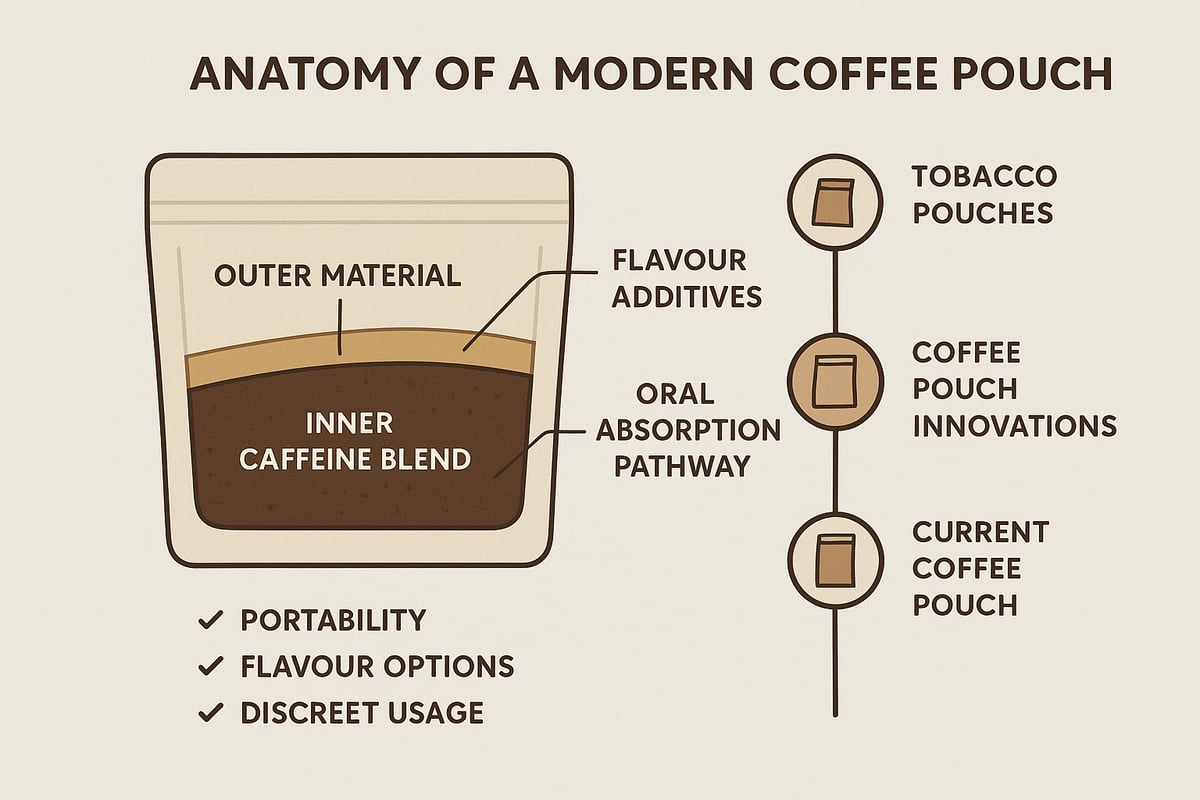
Coffee pouches originated as a response to the growing demand for smoke-free, on-the-go alternatives to traditional caffeine sources. Inspired by the format of tobacco pouches, early versions adapted the pouch concept to deliver caffeine in a discreet, controlled manner.
Over the past decade, significant innovations have shaped the development of coffee pouches. Advances in pouch material, moisture control, and flavour infusion have improved both safety and user experience. These improvements have made it possible for caffeine in coffee pouch products to offer a reliable and pleasant alternative to brewed coffee.
The popularity of coffee pouches has soared, especially among younger demographics seeking convenience and variety. Market analysts project that the global market for coffee pouches will exceed £2.5 billion by 2025, with strong growth in the UK and EU. Leading brands are expanding their portfolios to include more flavours and functional ingredients, responding to consumer demand.
For instance, major brands such as Nordic Spirit and Zyn have introduced lines specifically targeting coffee enthusiasts. Regional adoption has also increased, with coffee pouches now available in offices, gyms, and travel hubs across Europe. This evolution reflects the growing recognition of caffeine in coffee pouch products as a mainstream caffeine source.
How Coffee Pouches Work
A coffee pouch typically consists of a small, sealed sachet made from food-grade fibres. Inside, you will find a blend of finely ground coffee, caffeine extract, flavourings, and sometimes functional additives like vitamins. The pouch is placed between the gum and upper lip, allowing caffeine to be absorbed directly through the oral mucosa.
This method of absorption distinguishes caffeine in coffee pouch products from traditional brewed coffee or energy drinks, which rely on gastrointestinal uptake. The oral route offers a faster onset of effects, often within minutes, and provides a steady release of caffeine. This can help users maintain alertness without sudden spikes or crashes.
Coffee pouches excel in portability and discretion. Unlike carrying a cup of coffee or a bulky can, a pouch fits easily in your pocket or bag. Flavour options range from classic espresso to caramel and mocha, with varying caffeine strengths to suit different preferences. These features have made caffeine in coffee pouch solutions a favourite among busy professionals and students.
Types of Coffee Pouches Available in 2025
In 2025, the market offers three main categories of coffee pouches: classic, flavoured, and functional. Classic pouches deliver a straightforward coffee taste, while flavoured varieties introduce options such as vanilla, hazelnut, or seasonal blends. Functional pouches go a step further by adding adaptogens, vitamins, or herbal extracts for enhanced benefits.
Notable brands like Nordic Spirit, Zyn, and Velo have each carved out a niche with unique selling points, such as all-natural ingredients or eco-friendly packaging. Most coffee pouches come in compact, resealable tins, with typical portion sizes ranging from 40mg to 100mg of caffeine per pouch.
In the UK and EU, best-sellers include espresso-flavoured functional pouches and dessert-inspired limited editions. For those interested in exploring the full spectrum of available products, the caffeine pouches collection provides an up-to-date overview of the latest options. This diversity ensures that caffeine in coffee pouch enthusiasts can find a product tailored to their specific tastes and needs.
Caffeine Content in Coffee Pouches: What to Expect
The world of caffeine in coffee pouch products has evolved rapidly, offering a wide variety of strengths and experiences. Understanding how much caffeine is in a coffee pouch, what influences its release, and how to interpret labelling is essential for safe and enjoyable use. Let us explore the key details you need to make informed choices.
Standard Caffeine Levels and Ranges
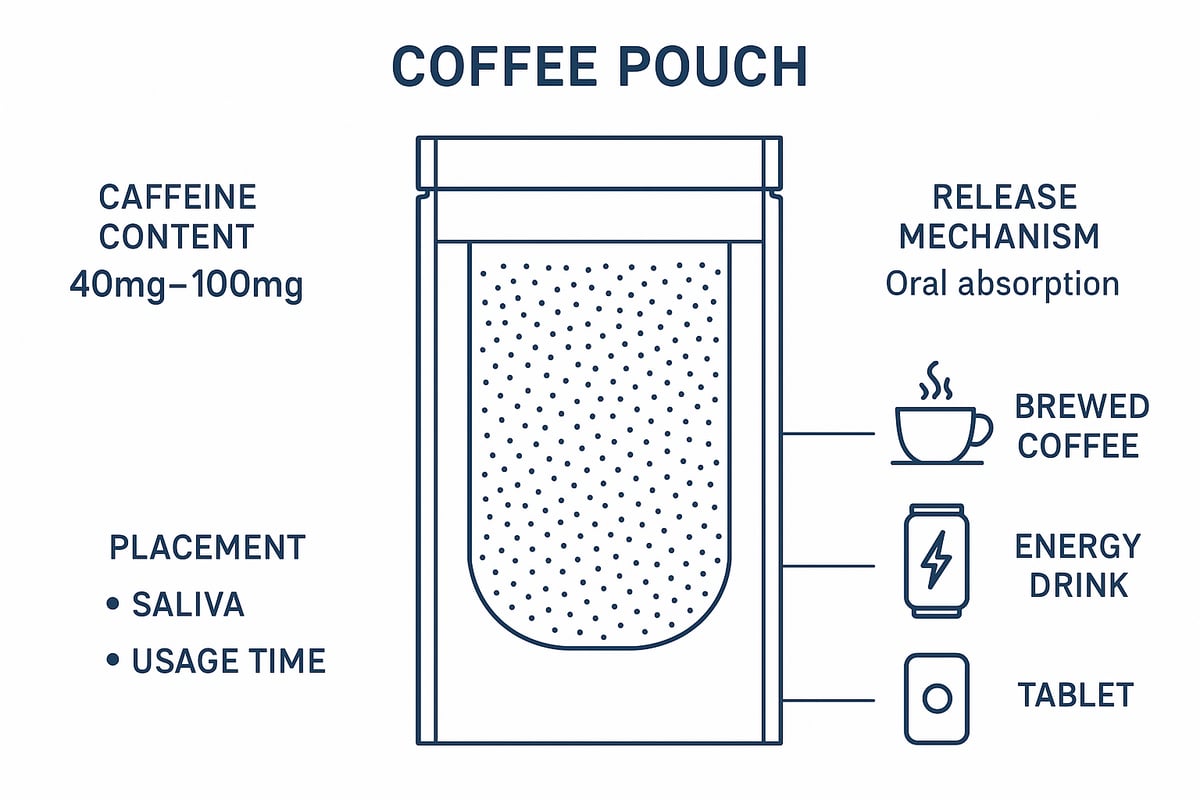
On average, caffeine in coffee pouch products ranges from 40mg to 100mg per pouch in 2025. This makes them a flexible alternative to many traditional caffeine sources.
Here is a quick comparison of caffeine content:
| Product Type | Caffeine Per Serving |
|---|---|
| Coffee pouch | 40–100mg |
| Brewed coffee (cup) | 70–120mg |
| Energy drink (250ml) | 80mg |
| Caffeine tablet | 50–200mg |
The amount of caffeine in coffee pouch options depends on several factors. Brand reputation, pouch size, and the coffee blend all play a role. Some brands focus on higher potency, while others offer gentler options for those new to caffeine in coffee pouch products.
Popular brands in the UK and EU now display clear caffeine content on their packaging. For example, a leading brand may offer pouches at 50mg, 75mg, and 100mg strengths. This variety gives consumers control over their intake and helps them match their needs to the right product.
Flavour and functional additives can also influence how caffeine in coffee pouch products is perceived. Some blends include added vitamins or adaptogens, which may alter the experience but do not usually impact the core caffeine content.
Labelling, Regulation, and Transparency
Regulations around caffeine in coffee pouch products have become much stricter in 2025, especially in the UK and EU. Manufacturers must now display the exact caffeine content per pouch, making it easier for consumers to understand what they are consuming.
To read a label correctly, look for the stated caffeine in coffee pouch, usually listed in milligrams per pouch or per portion. Some products also provide guidance on maximum daily use. However, not all labelling is equally clear, and consumers sometimes misinterpret serving sizes or total caffeine per package.
Common pitfalls include confusing the total caffeine in coffee pouch packaging with the amount per individual pouch. For example, a tin may contain 20 pouches, each with 50mg of caffeine, but the total caffeine in the tin will be much higher. Always check for serving size details.
Recent updates, such as those outlined in the Product Regulation and Metrology Act 2025, have introduced stricter requirements for clear labelling and accurate portion information. These regulations aim to reduce confusion and help users manage their caffeine in coffee pouch intake responsibly.
Factors Affecting Caffeine Release and Absorption
The way caffeine in coffee pouch products is released and absorbed sets them apart from other caffeine sources. Unlike coffee, which is swallowed and digested, these pouches deliver caffeine through the oral mucosa, allowing for faster absorption into the bloodstream.
Pouch composition and release technology are crucial. Premium pouches use micro-perforated membranes to control the release of caffeine and flavour. The strength and speed of the caffeine effect depend on how long the pouch is kept in the mouth, where it is placed, and even the user's saliva production.
Oral absorption offers a rapid onset, often within minutes, compared to the slower gastrointestinal absorption of brewed coffee or energy drinks. The intensity and duration of the caffeine in coffee pouch effect can vary, but users often report a smoother, more controlled "kick" that lasts up to an hour.
Individual experience may differ based on placement (upper or lower lip), frequency of movement, and how long the pouch is used. For maximum safety, follow the brand's instructions and monitor your response to caffeine in coffee pouch products, especially when trying a new strength or blend.
Health Effects and Safety Considerations
Coffee pouches are gaining traction as a smart alternative to traditional caffeinated drinks. Understanding the health effects and safety considerations is essential for anyone curious about caffeine in coffee pouch products. This section explores the advantages, potential drawbacks, and safe usage tips to help you make informed choices.
Benefits of Coffee Pouches
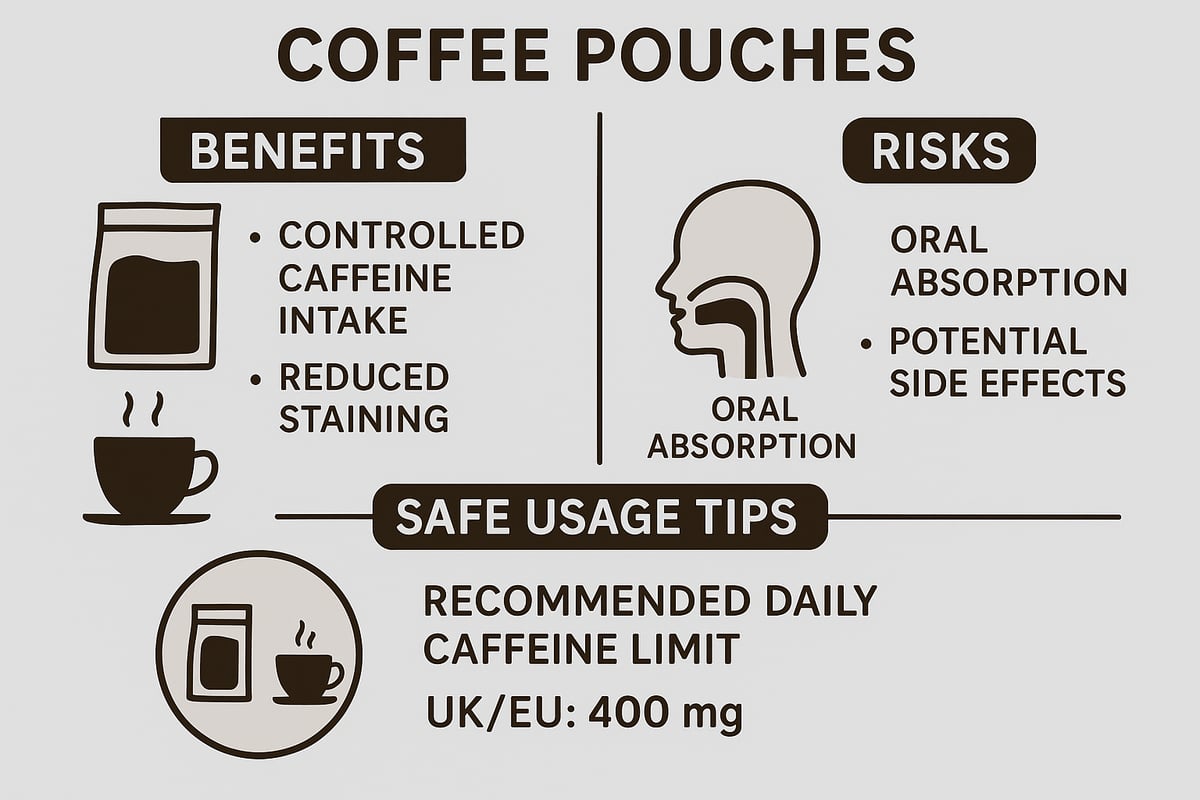
One of the main appeals of caffeine in coffee pouch products is the ability to control your intake. Each pouch contains a measured amount of caffeine, reducing the risk of accidentally over-consuming. This makes it easier for users to manage their energy levels throughout the day.
Coffee pouches are also less likely to stain teeth compared to brewed coffee. Since the caffeine in coffee pouch is absorbed through the mouth's lining, it minimises direct contact with tooth enamel. This can be a significant benefit for those concerned about dental appearance.
Another advantage is the smoke-free, odourless nature of coffee pouches. They offer a discreet way to enjoy caffeine at work, in public, or while travelling. No brewing equipment is needed, and there are no lingering smells.
Survey data from 2025 shows that users appreciate the convenience and portability of coffee pouches. Many report feeling more in control of their caffeine intake and experiencing fewer digestive issues compared to drinking traditional coffee.
Potential Risks and Side Effects
Despite the benefits, users must be aware of potential health risks associated with caffeine in coffee pouch products. Overconsumption can lead to common side effects such as jitters, insomnia, and a rapid heart rate. These effects are similar to those seen with other concentrated caffeine sources.
Certain populations are more sensitive to caffeine in coffee pouch items. Pregnant women, adolescents, and individuals with heart conditions should exercise caution. Some users may also experience oral irritation or mild allergic reactions due to the pouch’s ingredients or added flavourings.
According to Caffeine pouches deliver a fast hit, and hidden risks, the rapid absorption of caffeine in coffee pouch products can make it easier to exceed recommended limits without realising. Reported adverse events in the UK and EU include short-term palpitations and, in rare cases, severe reactions. It is crucial to monitor your body’s response, particularly if you are new to this form of caffeine delivery.
Safe Usage Guidelines
To enjoy the benefits of caffeine in coffee pouch products while minimising risks, follow established guidelines. The NHS and EFSA recommend a maximum daily caffeine intake of 400mg for healthy adults. This typically equates to four to eight coffee pouches per day, depending on the brand’s caffeine content.
Pace your usage by spacing pouches evenly throughout the day, rather than consuming several at once. This helps avoid sudden spikes in caffeine levels and reduces the chance of experiencing jitters or sleep disturbances.
Be alert to signs of overconsumption, such as restlessness, headaches, or irregular heartbeat. If you are trying caffeine in coffee pouch items for the first time, start with a lower-caffeine option and gradually assess your tolerance.
For first-time users or those switching from other caffeine sources, it is wise to monitor your total daily intake. Read the label carefully and avoid mixing multiple caffeine products within a short period.
If you have pre-existing health conditions, are pregnant, or notice any adverse reactions, consult a healthcare professional before continuing with caffeine in coffee pouch products.
Innovations and Trends in Coffee Pouches for 2025
Coffee pouches are transforming rapidly as innovation shapes the caffeine in coffee pouch market. In 2025, manufacturers are reimagining everything from flavours to sustainability. These trends are making coffee pouches more appealing, functional, and accessible than ever.
New Flavours, Functional Additives, and Personalisation
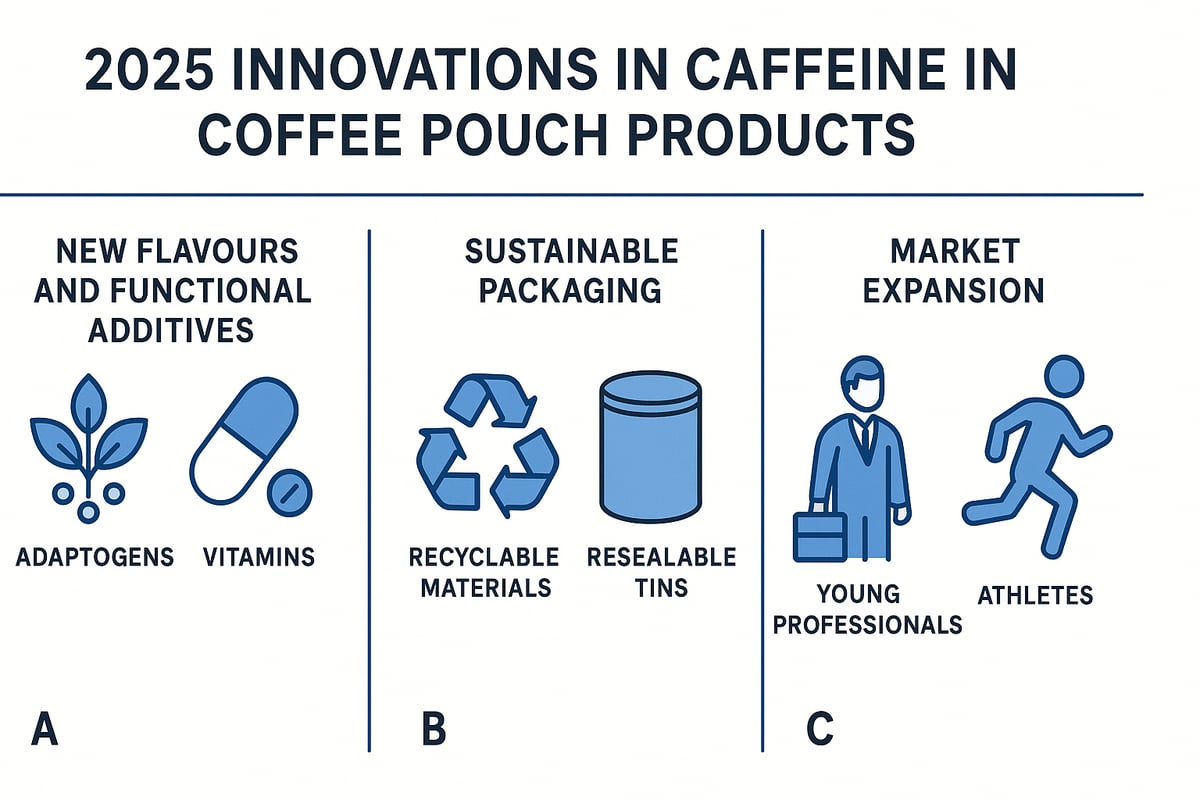
Product diversity is at the heart of caffeine in coffee pouch innovation in 2025. Brands are launching an array of new flavours, from classic coffee to dessert-inspired varieties like tiramisu or caramel. Limited-edition releases are common, attracting consumers who crave novelty.
Functional additives are also a major trend. Many coffee pouches now include adaptogens, B vitamins, or nootropics to enhance focus and reduce stress. This functional approach aligns with the broader shift towards wellness in the caffeine in coffee pouch market.
Personalisation services are on the rise. Consumers can customise their pouch blends, select their preferred caffeine strength, and even subscribe for monthly deliveries. This bespoke experience helps users tailor their caffeine intake to their lifestyle.
- Popular new flavour profiles include: mocha mint, spiced chai, and salted caramel.
- Functional ingredients: ashwagandha, L-theanine, vitamin B12.
- Customisation: choose blend intensity, flavour, and additive mix.
These innovations are making it easier for users to find a caffeine in coffee pouch that matches their taste and wellness goals.
Packaging, Sustainability, and Convenience
Sustainability is shaping the future of packaging for caffeine in coffee pouch products. In response to consumer demand and regulatory changes, brands are adopting recyclable materials and biodegradable films. Compact, resealable tins are popular for on-the-go use, keeping pouches fresh and reducing waste.
Some companies have moved to minimalist packaging, using only what is necessary to protect the product. Others are introducing refill packs to further limit single-use plastics. These efforts reflect a broader industry shift towards eco-friendly solutions.
For a deeper dive into how regulations and innovation are influencing packaging, you can explore coffee pouch trends in the EU.
Convenience remains a top priority. Single-serve pouches fit easily in a pocket or bag, making them ideal for busy professionals and travellers. The discreet format allows for caffeine intake without the need for brewing or carrying bulky bottles.
- Eco-friendly packaging materials: recyclable paper, plant-based plastics, reusable tins.
- Resealable options for freshness and portability.
- Minimalist design to reduce environmental impact.
The commitment to sustainability is helping reshape how consumers interact with caffeine in coffee pouch products.
Market Expansion and Consumer Demographics
The caffeine in coffee pouch market is expanding beyond traditional coffee drinkers. In 2025, adoption rates are rising among office workers, athletes, and health-conscious consumers. The convenience and customisation options appeal to younger demographics, who often seek alternatives to sugary energy drinks.
Growth is also evident in non-traditional settings. Coffee pouches are now common in fitness clubs, airports, and co-working spaces. This broad reach is reflected in market projections, with significant increases in sales across the UK and EU.
Younger consumers, especially those aged 18–35, are driving demand. They value the ability to manage their caffeine in coffee pouch intake precisely and discreetly. Meanwhile, professionals and travellers appreciate the reliability and speed of oral caffeine absorption.
| Demographic | Key Motivation | Adoption Rate (2025) |
|---|---|---|
| Young adults | Customisation, novelty | High |
| Professionals | Convenience, energy | Medium |
| Athletes | Controlled intake | Growing |
Market innovations are ensuring that every consumer can find a caffeine in coffee pouch to suit their needs and lifestyle.
Comparing Coffee Pouches to Other Caffeine Sources
The growing popularity of caffeine in coffee pouch products has prompted many to weigh them against more traditional caffeine sources. Understanding how these pouches compare to brewed coffee, energy drinks, and tablets can help consumers make more informed choices.
Coffee Pouches vs. Traditional Coffee
Caffeine in coffee pouch formats offers a different experience compared to a classic cup of coffee. The main distinction lies in the delivery method. While brewed coffee requires preparation and is typically consumed in a social or ritualistic setting, coffee pouches deliver caffeine via oral absorption, allowing for a more rapid onset of effects.
The flavour profile of brewed coffee is often richer, with aromas and textures that appeal to coffee enthusiasts. In contrast, coffee pouches come in a variety of flavours and strengths, providing options for those who prefer convenience over ritual. Pouches are also highly portable and discreet, making them suitable for use in places where brewing coffee is impractical, such as during travel or at work.
A typical brewed coffee contains between 80mg and 120mg of caffeine, depending on the serving size and brewing method. In comparison, caffeine in coffee pouch products usually ranges from 40mg to 100mg per pouch. This allows for greater control over intake, as users can select a specific dose to match their needs.
| Feature | Brewed Coffee | Coffee Pouch |
|---|---|---|
| Caffeine (avg) | 80–120mg | 40–100mg |
| Time to Effect | 20–30 min | 5–15 min (oral) |
| Portability | Low | High |
| Preparation | Required | None |
| Social Aspect | High | Low |
Coffee pouches offer a practical solution for those seeking a quick, measured boost without the need for brewing or clean-up.
Coffee Pouches vs. Energy Drinks and Tablets
Comparing caffeine in coffee pouch products to energy drinks and caffeine tablets reveals further differences. Energy drinks often combine caffeine with sugar, taurine, and artificial flavours, which can increase calorie intake and lead to energy crashes. Coffee pouches, by contrast, are typically sugar-free and have fewer additives, making them a cleaner choice for many.
Caffeine tablets provide a precise dose but lack the sensory experience and can be harsh on the stomach. Pouches are gentler, absorbed orally, and avoid gastrointestinal irritation common with tablets. The onset of effects with a pouch is usually faster than with a drink or pill, as oral absorption bypasses the digestive tract.
In terms of caffeine content, energy drinks generally contain between 80mg and 160mg per can, while tablets are available in 50mg or 100mg doses. Coffee pouches fit neatly between these, offering flexibility and ease of use. Market data shows that functional coffee products, including pouches, are experiencing significant growth as consumers seek healthier, more convenient caffeine sources (Functional coffee market surges to $4.5bn).
When considering health, coffee pouches stand out for their low sugar content and absence of many artificial ingredients found in energy drinks. They also provide a more gradual, sustained energy boost compared to the rapid spike and crash often associated with sugary drinks.
Suitability for Different Lifestyles
Choosing the right caffeine in coffee pouch product depends on your lifestyle and daily demands. For office workers, pouches provide a discreet, mess-free way to stay alert during meetings or long tasks. Students benefit from the controlled dosing, which helps maintain focus without overconsumption.
Athletes and fitness enthusiasts appreciate the portability and quick energy kick before workouts. Travellers find pouches ideal for on-the-go caffeine, as they fit easily into a pocket or bag and do not require water or preparation.
Here are some real-world scenarios:
- Office professional: Uses a mild-strength pouch to avoid coffee breath before meetings.
- Student: Selects flavoured, vitamin-enriched pouches for late-night study sessions.
- Athlete: Chooses a functional pouch with added adaptogens before training.
- Traveller: Relies on compact tins for caffeine during commutes and flights.
Cost-wise, coffee pouches are often more economical than daily coffee shop visits or premium energy drinks, especially when purchased in bulk from leading coffee pouch brands. The variety of options ensures there is a pouch to suit every preference and routine.
Ultimately, caffeine in coffee pouch products delivers versatility and control, making them a compelling choice for a wide range of users.
How to Choose the Right Coffee Pouch for You
Selecting the ideal coffee pouch requires a thoughtful approach. As the popularity of caffeine in coffee pouch products grows, understanding your personal needs is crucial for a safe and enjoyable experience. Each individual’s response to caffeine in coffee pouch formats can vary, so a tailored strategy is essential.
Assessing Your Caffeine Needs and Tolerance
Before purchasing any caffeine in coffee pouch products, it is vital to consider your individual tolerance. Age, body weight, daily habits, and overall health all influence how your body reacts to caffeine in coffee pouch form.
Ask yourself:
- How much caffeine do you currently consume each day?
- Do you have sensitivities or underlying health conditions?
- What times of day do you need an energy boost?
By understanding these factors, you can choose a caffeine in coffee pouch option that matches your lifestyle. Start small if you are unsure of your limits. This approach helps minimise unwanted side effects and allows you to enjoy the benefits of caffeine in coffee pouch products responsibly.
Reading Labels and Understanding Ingredients
Carefully examine the packaging of every caffeine in coffee pouch you consider. Look for clear statements about caffeine content per pouch, as well as a full list of ingredients. The most reputable brands provide detailed information to help you avoid allergens, artificial sweeteners, or unwanted additives.
New regulations, such as the New EU rules on packaging and waste will transform its Supply Chain, are shaping how labels and packaging appear in 2025, making it easier for you to make informed choices. Take time to compare products, and do not hesitate to contact brands for clarification if needed.
Step-by-Step Guide to Trying Coffee Pouches
If you are new to caffeine in coffee pouch formats, follow this step-by-step guide to ensure a positive introduction:
- Research and shortlist reputable brands with transparent labelling.
- Begin with a lower-caffeine in coffee pouch to gauge your reaction.
- Monitor how you feel after use, noting any changes in energy or alertness.
- Experiment with different flavours and strengths to find your preference.
- Track your daily caffeine in coffee pouch intake to avoid exceeding safe limits.
- Read reviews and seek advice from other users to refine your choices.
Taking these steps will help you confidently navigate the expanding world of caffeine in coffee pouch products.
Tips for Safe and Enjoyable Use
Safe enjoyment of caffeine in coffee pouch products depends on mindful habits. Store your pouches in a cool, dry place to preserve freshness and potency. Rotate between flavours to prevent palate fatigue and maintain interest.
Stay hydrated, as caffeine in coffee pouch use can have mild dehydrating effects. Remember to balance your caffeine in coffee pouch consumption with healthy eating and sleeping routines for overall well-being.
When to Consult a Healthcare Professional
While caffeine in coffee pouch products are generally safe for healthy adults, certain situations require professional guidance:
- You have pre-existing health conditions, such as heart problems or high blood pressure.
- You are pregnant or breastfeeding.
- You notice signs of caffeine intolerance, such as heart palpitations, anxiety, or digestive discomfort.
Consulting a healthcare provider ensures that caffeine in coffee pouch use aligns with your health needs. This extra step provides peace of mind and supports long-term wellness.